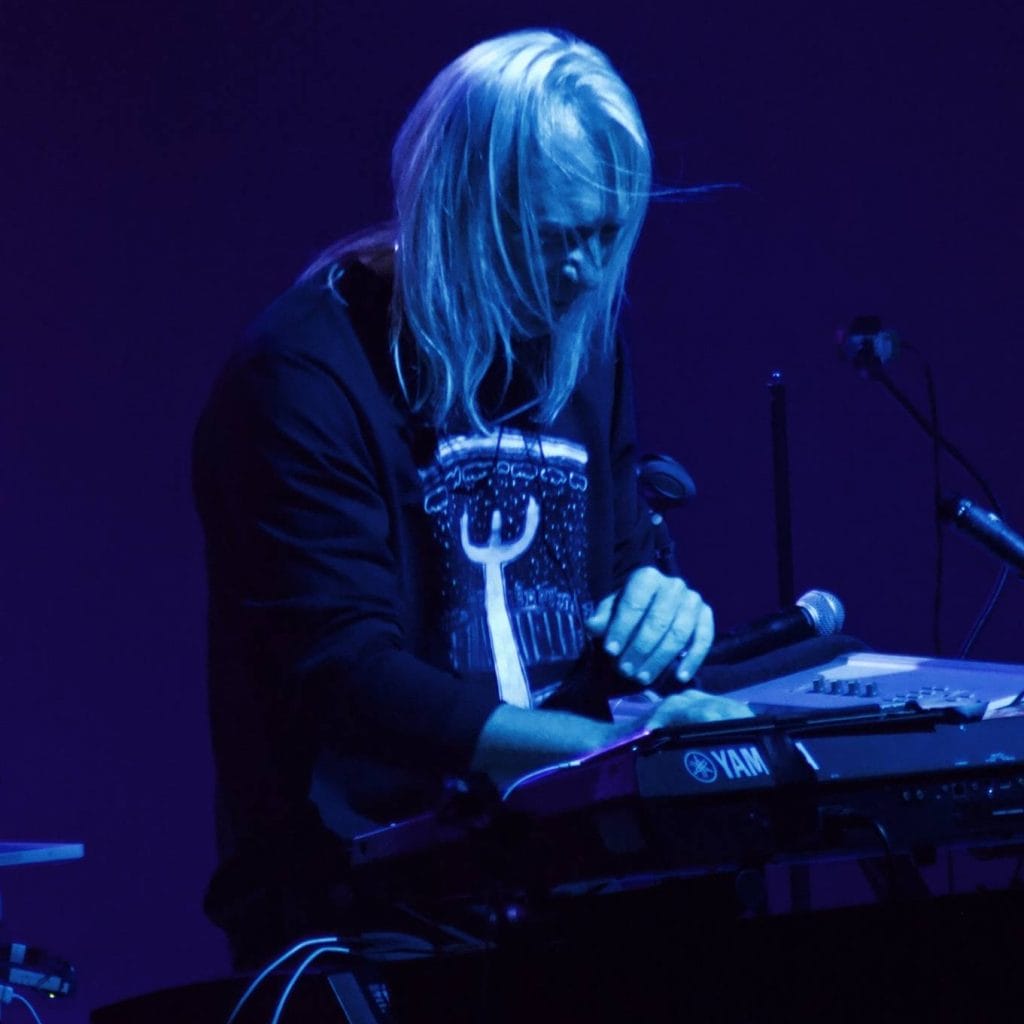

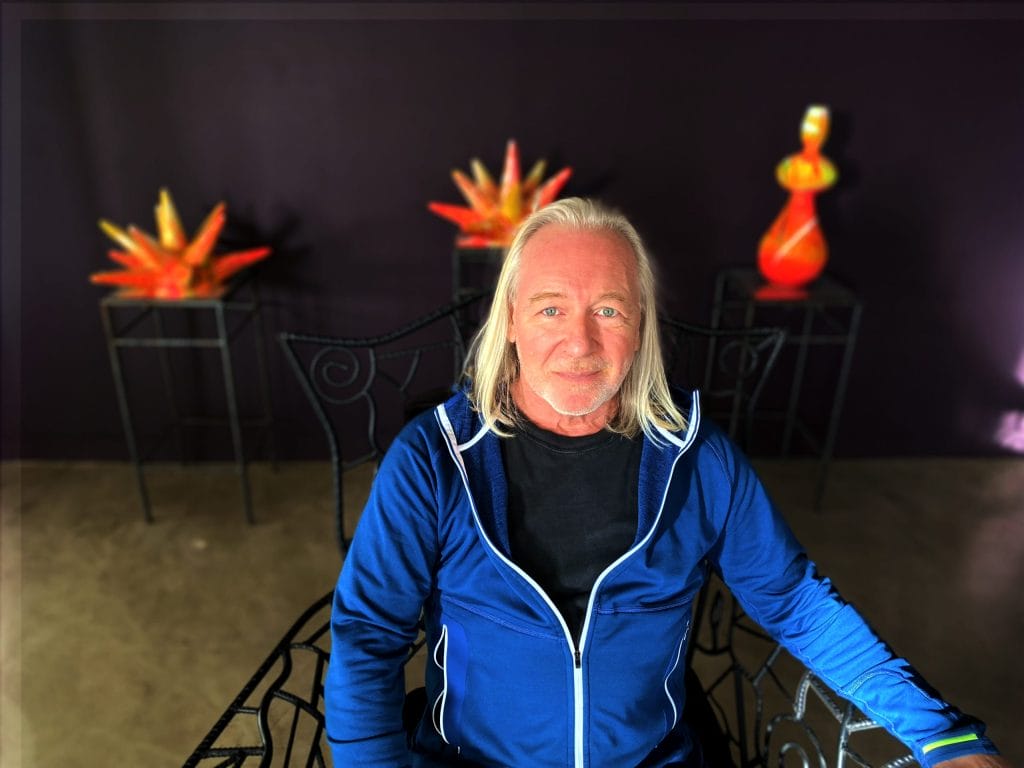
Deep Forest returns in 2026 with Soul, a new album from Eric Mouquet arriving in spring through YEAAA / Believe, followed by a European tour across the UK, Poland, Czech Republic, Germany, the Netherlands, Italy, France, and Spain. The project carries a long history behind it, with a Grammy Award, over 10 million albums sold, and over 120 million streams, yet this next chapter feels focused on the present tense of performance, recording, and how a long-running electronic project keeps moving with purpose.
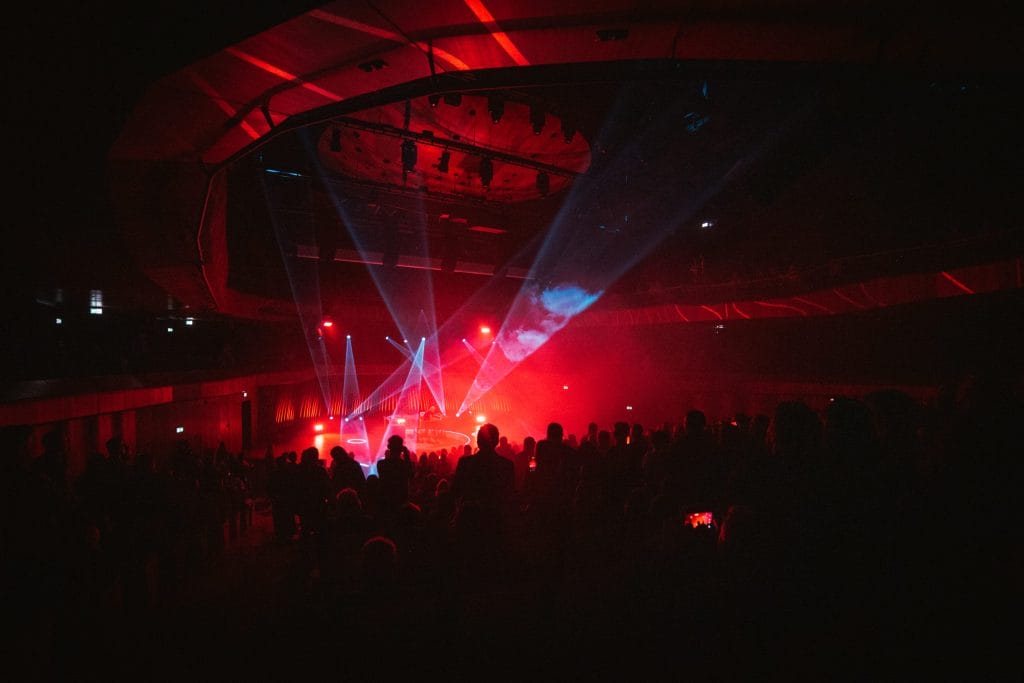
The new Live Machine Solo format brings that idea directly to the stage. Electronic textures, vocal samples, and live instruments are built and reshaped in real time, giving Mouquet a flexible setup that can move from festival settings to smaller rooms without losing the human timing behind the performance. With dates already confirmed at various venues, the 2026 run gives Deep Forest another chance to connect decades of recorded history with a live format built around immediacy.
Navigating the Creative Cycle
For an artist returning with a new album and tour after such a long career arc, maintaining longevity requires a specific approach to routine and restraint. When asked about the mental bandwidth required for the artist lifestyle, Mouquet identifies the period following a production as the most delicate. “The most delicate period for me is always the one that follows the end of a production,” he explains. “After hours, days, and sometimes months of intense work, there is a kind of emptiness. I often feel like I have no inspiration left, as if everything has already been given.”
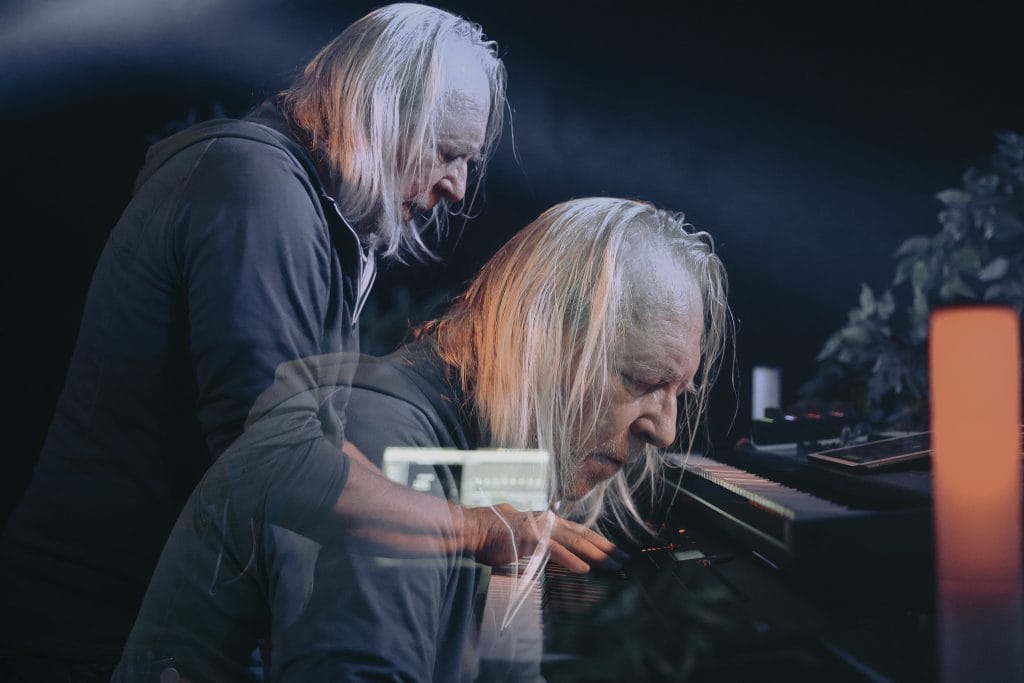
He notes that this transition is necessary, allowing him to step away from music and let his mind breathe, which ultimately fuels the return of creative energy. Regarding the pressure to maintain a digital presence, Mouquet opts for a minimalist, documentary-style approach. “I prefer spontaneous moments, often short videos recorded on my phone. The idea is to avoid adding pressure around communication. If it becomes too structured or too planned, it starts interfering with the creative work.”
Discipline and Longevity
To navigate the chaos of the industry, Mouquet relies on strict daily habits. He wakes up early, focusing his most productive work before 10 AM when the mind is clear. By splitting his workday into morning and afternoon sessions, he maintains an objective perspective on his compositions. “I often feel like I am living two days in one, which is very valuable in a creative process,” he says.
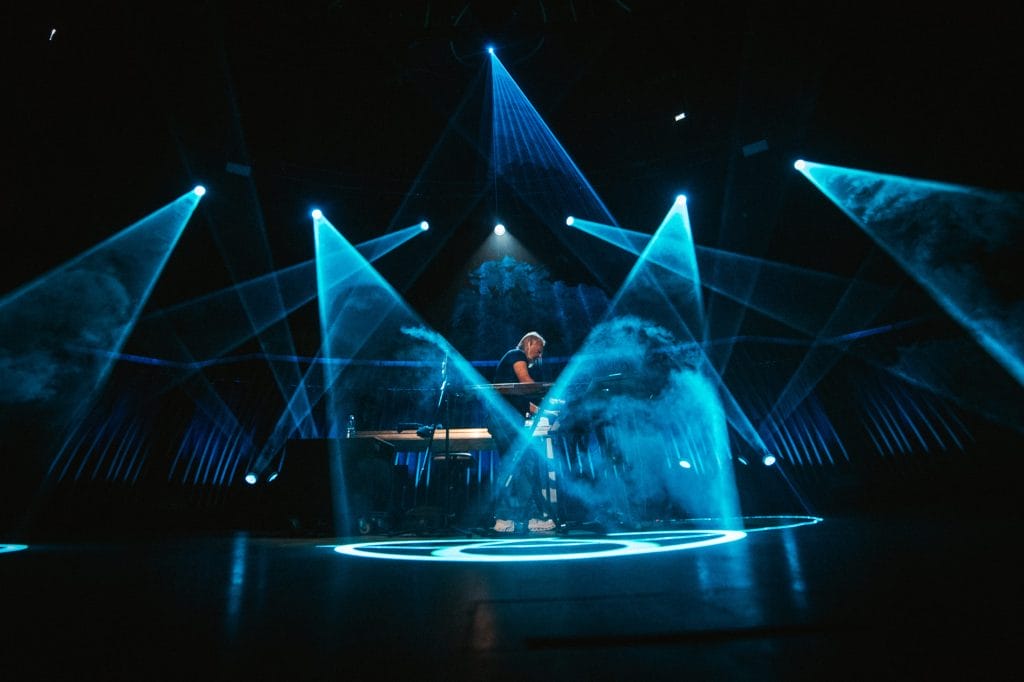
This philosophy extends to his view on touring. Rather than viewing travel as a burden, he finds it refreshing. “Moving from large festival stages to very small clubs always brings beautiful surprises. Intensity is tied to connection, timing, and what happens between the stage and the audience.”
Ultimately, Mouquet’s career is defined by a steady, sustainable pace. He compares his creative process to a boat crossing the ocean: it may not move fast, but it never stops. By avoiding the pitfalls of burnout through curiosity and a refusal to force his output, he continues to evolve. “Staying grounded is mostly about perspective: keeping some distance, moving step by step, and staying connected to the reason for the work,” he concludes.