
Natalie from Cascada Discusses Career Longevity and 'ALIVE'
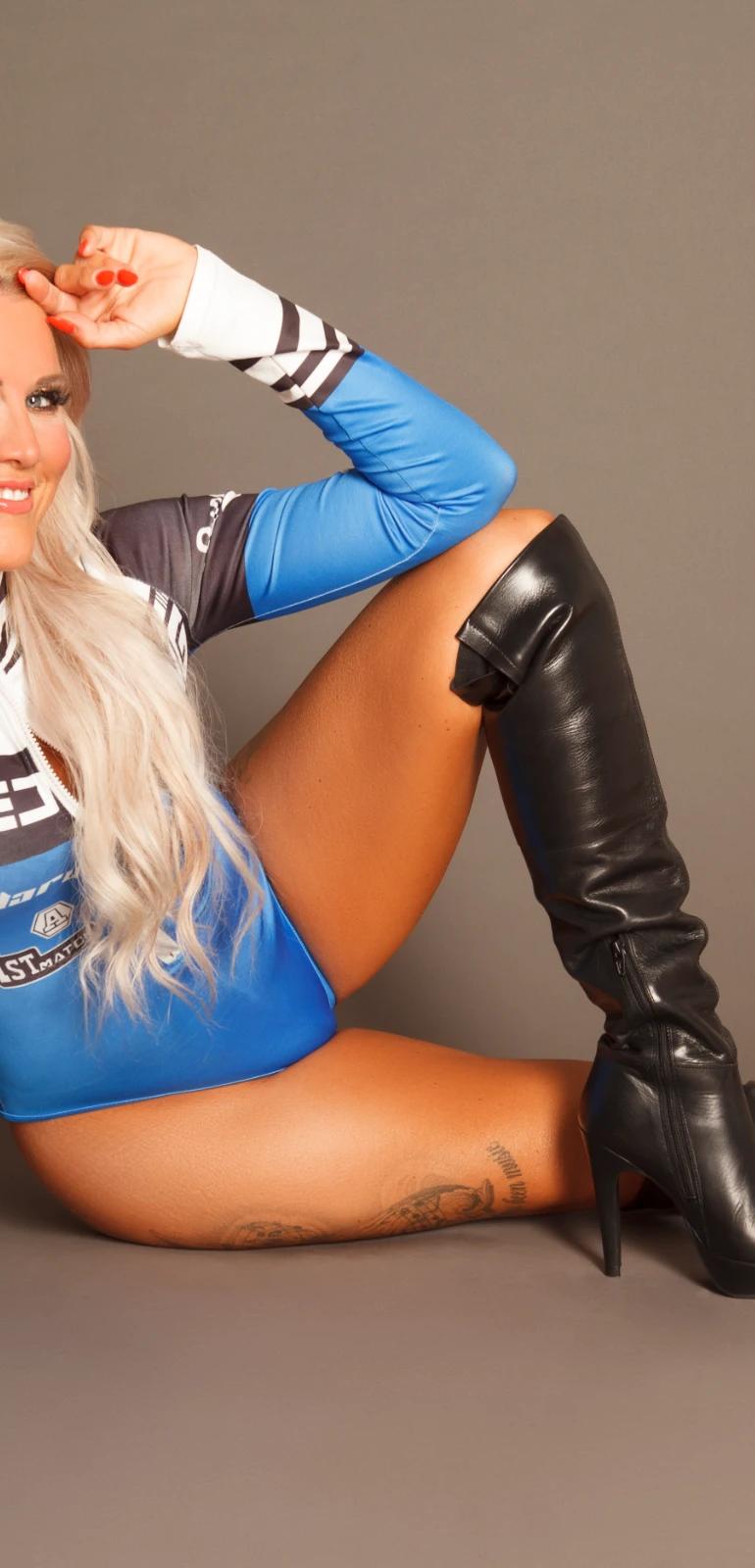
Few names in dance music carry the same weight as Cascada. Since their 2006 international breakthrough, the group has remained a dominant force, selling over 30 million records and defining the golden era of Eurodance with legendary tracks like "Everytime We Touch." Guided by the unmistakable voice of Natalie Horler, the project has successfully navigated the industry's shift from physical media to the streaming age, maintaining a relevance that spans multiple generations.
As Cascada enters its third decade, Horler continues to balance a deep respect for her roots with a forward-thinking approach to production and performance. We recently caught up with the frontwoman to discuss her latest release, "ALIVE," the realities of sustaining a long-term career, and her vision for live vocal performances in an increasingly DJ-centric festival landscape.
Reflecting on "ALIVE," Horler notes that the track was designed to bridge the gap between her signature sound and modern sensibilities. "We want people to reminisce and recognise the style that made us known, so to speak, but at the same time, it needs to be modern enough to speak to many demographics," she explained. The song’s message of rebirth has already resonated deeply with listeners, with Horler sharing that fans have reached out to express how the lyrics have helped them through personal hardships.
The conversation inevitably turned to the evolution of the music industry. Having started her journey in an era of physical CD sales, Horler admitted she was initially skeptical of the streaming revolution. However, she has come to embrace the accessibility it provides. "What I actually love about the streaming era now is that it gives everyone access to everything," she said, noting that even her 83-year-old father, a jazz musician, has found a new audience through these platforms.
When asked how she handles the shift in her audience—moving from original fans to Gen Z listeners discovering her music via social media—Horler remains pragmatic. She believes the key is to stay true to the emotional core of her music rather than chasing trends. "I wouldn’t go and produce a track that sounds exactly like what we did twenty years ago, because that wouldn’t make sense for today," she noted. This approach has clearly worked; she frequently sees younger fans rushing to the front of the stage at major electronic festivals.
Addressing the role of the live vocalist in a world dominated by DJs, Horler emphasized that she has no interest in adopting the DJ booth persona. "I want to get in there and do my own live show on my own terms," she stated, identifying a headlining solo set at Tomorrowland as a primary career goal. She believes that as festival production quality increases, there is a growing appetite for the unique visual and auditory energy that a live frontwoman brings to the stage.

Despite the fast-paced nature of modern music consumption, Horler maintains a grounded perspective on her success. She credits her longevity to hard work and a refusal to dwell on the past. "I love the past and I’m deeply grateful for everything that brought me here today, but I don't want to live in the past," she said. While fans frequently ask about a new album, she feels that releasing singles is a more effective way to stay current in today’s landscape.

Looking back, Horler highlighted a recent performance in the pouring rain as a career-defining moment. Seeing the crowd remain in place, drenched and singing every word, reminded her exactly why she stays in the industry. As for the advice she would offer her younger self? "Don't fret about it, it's going to be fine. You're beautiful the way you are," she shared, adding with a laugh that she would also advise her younger self to reconsider some of her early 2000s fashion choices.

