

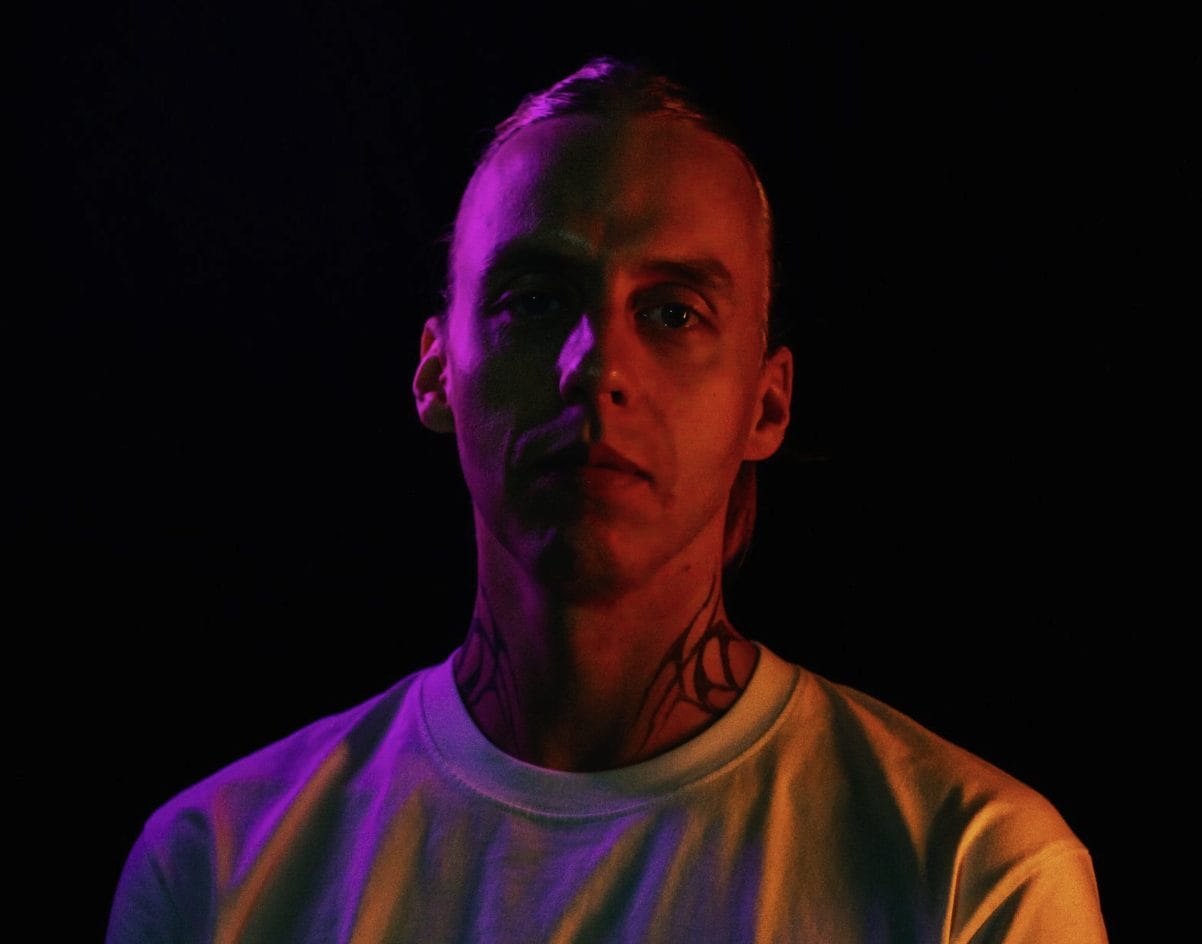
With the release of his Chensō EP via MOOD, Icelandic producer LaFontaine has firmly established himself in a direct, high-pressure techno lane. His approach is refreshingly straightforward, favoring a sound that prioritizes the physical impact of the genre over unnecessary complexity. Having been immersed in music since childhood, LaFontaine’s sonic identity was forged through early exposure to the work of Oculus and Luke Slater’s Planetary Assault System project. This foundation has remained a consistent thread throughout his solo work and collaborations on labels like Mote-Evolver and LŪM.
The three tracks on Chensō operate within a cohesive framework while exploring distinct sonic textures. The title track, “Chensō,” utilizes heavy kicks and shadowy vocal motifs to create a sense of tension, while “Subhuman” shifts the energy with brighter synth flashes and precise percussion. The EP concludes with “WFTR,” which balances crunchy, driving rhythms with subtle, dramatic string-led breaks that maintain the momentum of the dancefloor.
Refining the Role of the Modern DJ
Beyond his production work, LaFontaine offers a pragmatic view on the responsibilities of a DJ. When asked about the balance between honoring tradition and pushing new sounds, he notes that he avoids rigid rules, preferring a fluid approach that incorporates both classics and contemporary tracks. For him, the focus remains on the music itself rather than the pressure to act as a formal cultural archivist.
“I do not think DJs necessarily need to be seen as cultural curators in a heavy sense,” he explains. Instead, he advocates for a simpler ethos: support the artists, avoid ripping tracks, and reject gatekeeping. This perspective extends to his thoughts on the scene at large. While he acknowledges that some DJs invest significant effort into understanding the history of their tracks, he believes that the primary goal should be to play what resonates. If that music inspires a listener to dig deeper into its origins, that is a positive outcome, but it should remain a personal choice rather than a mandatory requirement for participation in the scene.
Ultimately, LaFontaine’s philosophy is one of accessibility and respect. By focusing on the physical experience of techno and maintaining a supportive attitude toward his peers, he continues to contribute to the culture in a meaningful, forward-thinking way.