

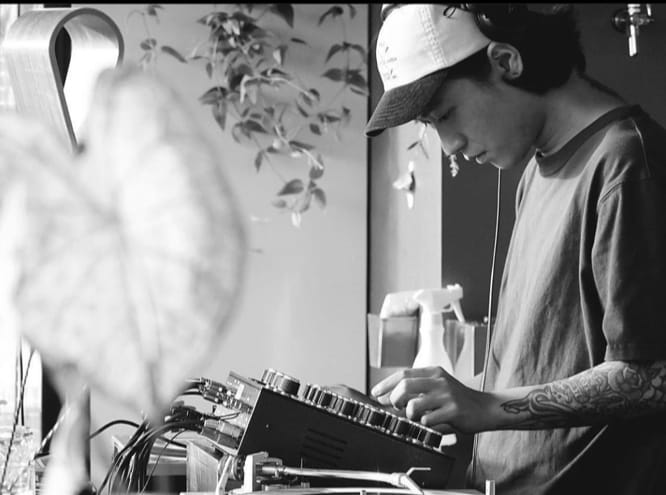
Hyungmin (@ehyungmin) opens WAVES Vol. 2 with “Pistil,” a hypnotic cut on Glasgow label Lava Lava that sets the compilation in motion with delicate synth loops, stripped-back percussion, resonating bass notes, and crunched atmospherics. Released back on August 14, the compilation moves across a wide range of club moods, from deeper grooves to more peak-time material, with Hyungmin’s track giving the project one of its more patient and textured entry points.
“Pistil” makes sense beside the way Hyungmin talks about music history. His answers are not built around broad claims of influence or vague respect for the past. He talks about equipment, methods, MPCs, vinyl samples, credits, instruments, musicians, and the work of tracing sound back to its source. That kind of curiosity can change how a producer listens before it changes what they make. The interview below centers on musical lineage, borrowing, recognition, and cultural respect. Hyungmin’s position is practical: inspiration becomes more meaningful when the artist understands the structure, detail, and history behind what they are drawing from. In a moment when electronic music is easier than ever to consume quickly, his answers argue for a slower kind of attention.
The Philosophy of Musical Lineage
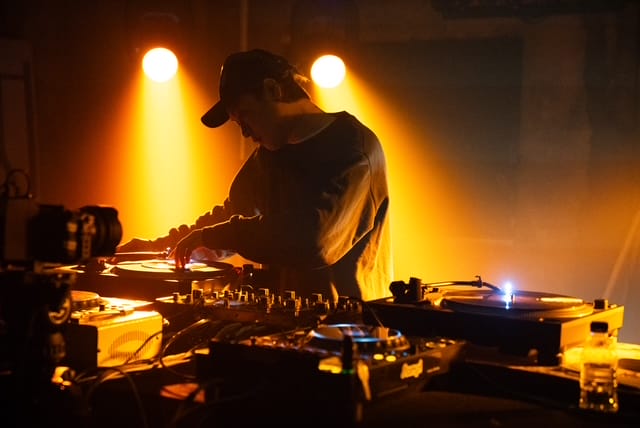
When asked how he acknowledges the musical lineages that have shaped his voice, Hyungmin explains that his approach is rooted in the equipment and methods used by artists he admires. He has spent significant time studying how producers worked with MPCs and vinyl samples, piecing together small fragments of records to see what kind of music could emerge. By listening to a track, attempting to reverse-engineer its creation, and experimenting with similar techniques, he builds a deeper connection to the craft.
For Hyungmin, the distinction between thoughtful inspiration and surface-level borrowing lies in the depth of understanding. When a producer truly grasps the structure, sound, and details of the music they are drawing from, the result feels less like imitation and more like a genuine reinterpretation through the artist’s own unique style.
Cultivating Depth and Respect
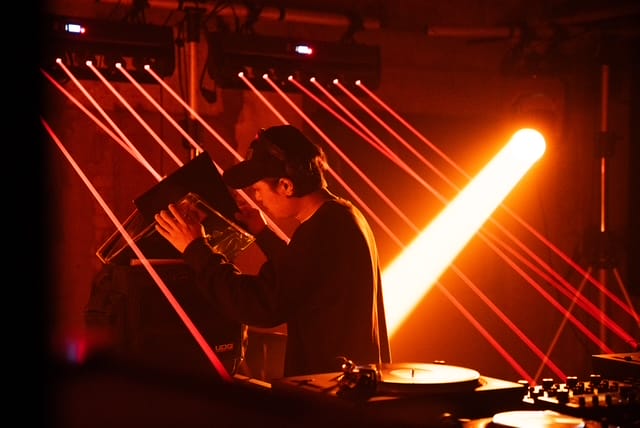
Regarding visibility in the scene, Hyungmin believes that recognition should go to those who dig deep and explore without stopping. While loving music is a great starting point, he argues that lasting impact requires something beyond that initial passion. When working with music rooted in cultures beyond his own, he emphasizes the importance of looking at record credits. By tracing the instruments and musicians involved, he satisfies his curiosity about where sounds originate, avoiding the trap of taking music at face value.
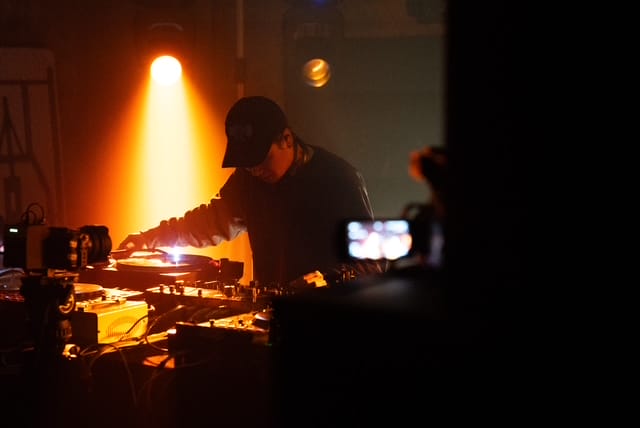
Meaningful respect for culture-bearers, according to Hyungmin, goes beyond public acknowledgment on social media. He suggests that buying records and music is a more concrete way to support the people whose work often remains hidden. He advocates for stepping away from the business-oriented side of the industry to place more value on direct support for the creators.
Closing Thoughts
Hyungmin’s perspective is a reminder that influence without study can quickly flatten into style theft, whereas influence with study becomes a creative education. His approach mirrors conversations with artists like 4B, who has spoken on the necessity of understanding the roots of genres like Jersey Club before utilizing them in production. Ultimately, Hyungmin sees respect as an active practice. Whether it is reading credits, supporting hidden contributors, or learning the mechanics behind a sound, the deeper work begins when an artist slows down enough to ask where the sound came from.