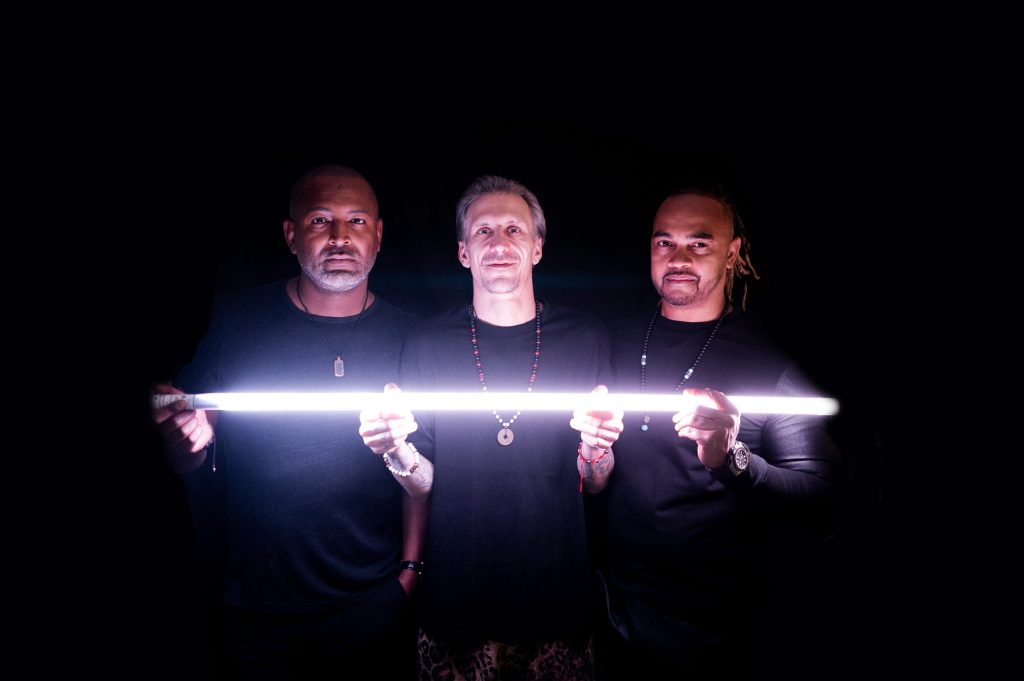


D.J.S brings together Dymos, Shizzo, and Jay Fase for “Those Nights,” landing on Arodes’ UNRELEASED label as a melodic, progressive cut rooted in shared experience behind the decks. The trio’s background spans hip-hop, production, events, and club culture, with Jay Fase bringing credits on multiple gold and platinum records, while Dymos and Shizzo have helped shape the ODYS experience. That mix of studio history and event-building experience gives the project a different kind of foundation than a one-off collaboration built only around a release date.
“Those Nights” sits in a lane that pulls from tribal house, progressive textures, and the kind of emotional club music that can move between large stages and more intimate rooms. With previous support from Desiree, Black Coffee, BLOND:ISH, and others, the three artists already understand how a record needs to behave in real time. That matters here because the production does not feel separated from the way DJs actually use music to create tension, release, and collective movement.
The Responsibility of Presence
For D.J.S, the concept of presence behind the decks is not merely about performing; it is about assuming responsibility for the room’s emotional trajectory. They view the DJ as a guide who must read the crowd, sensing when to introduce tension or provide release. This requires a deep technical knowledge of their music—knowing every break and drop—but ultimately, it is about confidence, instinct, and creating a safe space for the audience to let go. When the connection is right, the performance ceases to be a series of thoughts and becomes a wordless conversation between the artists and the crowd.
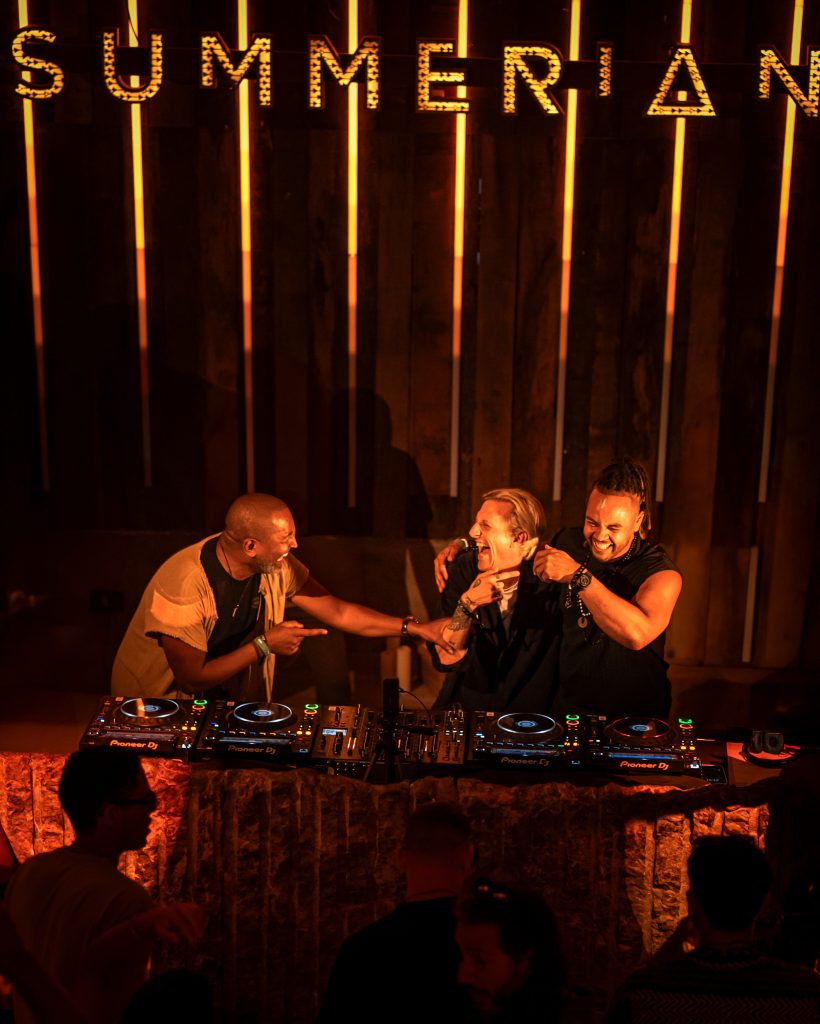
Maintaining focus amidst the chaos of a live set is achieved through a clearly defined division of labor. Dymos acts as the business engine, managing the big-picture flow and partner relationships. Jay Fase serves as the creative core, translating concepts into sonic moments and driving the crowd’s heartbeat. Shizzo functions as the administrative backbone, handling logistics and operations to ensure the trio can remain locked into the performance. This structure, combined with muscle memory and non-verbal communication, allows them to stay synchronized without breaking the flow of the set.
Building a Collective Connection
The trio emphasizes that the eyes do not lie. By maintaining eye contact and using subtle hand signals, they gauge the audience’s reaction, allowing them to adjust their musical journey in real time. They believe that if a set feels hollow or overly rehearsed, the crowd will sense it immediately. True presence, they argue, is about being a reflection of the room’s energy—absorbing what the audience feels and giving it back through the music.
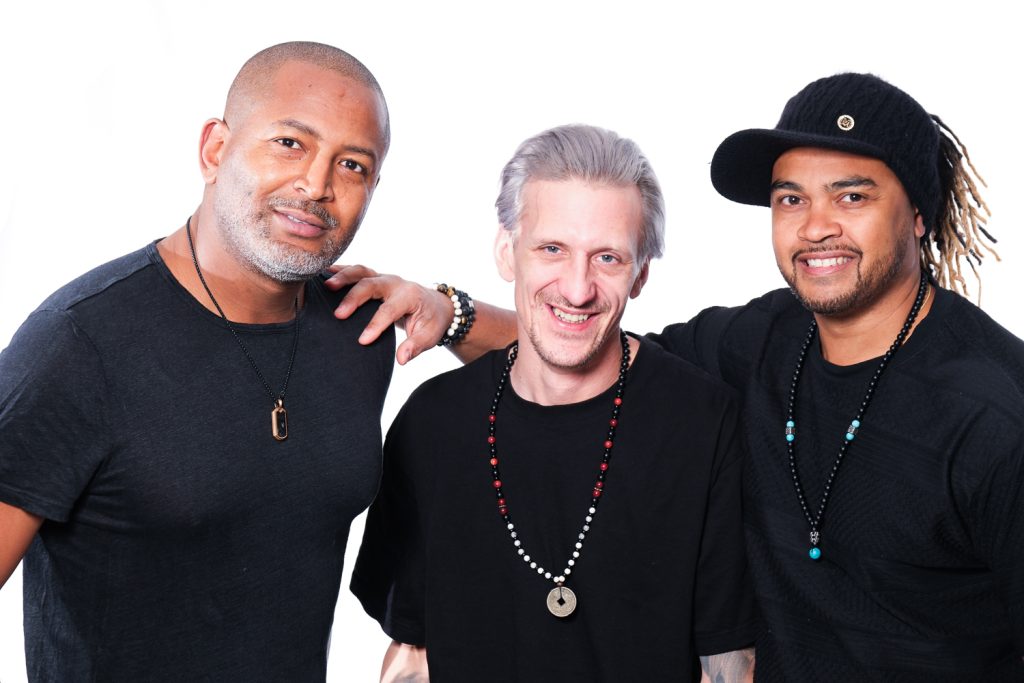
Ultimately, their understanding of presence has evolved from a display of power to a focus on connection. Whether they are leading the room or listening to its needs, the goal remains the same: to ensure that everyone in the space is living the moment together. By staying physically and mentally engaged, D.J.S continues to refine their approach to the craft, proving that the most impactful sets are those where the barrier between the DJ and the dancefloor dissolves entirely.