
From SpaceX to Psychedelics: Elon Musk’s Circle Makes Its Next Big Bet
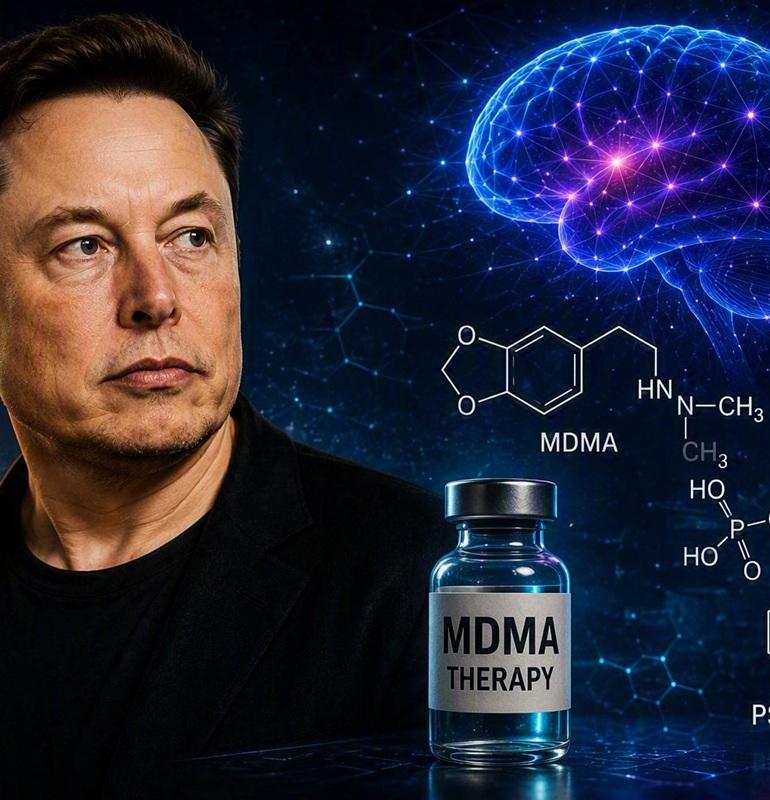
Elon Musk is widely recognized for his role in pioneering transformative technology companies, but a growing number of individuals within his professional orbit are now shifting their focus toward a different frontier: psychedelic medicine. As the industry matures, these high-profile investors are betting on the potential of therapeutic compounds to reshape mental health treatment.
According to reports from The Wall Street Journal, a cohort of prominent investors—including former Tesla board member Antonio Gracias—is actively funding companies dedicated to psychedelic research. These organizations are primarily focused on developing therapies derived from substances such as MDMA and psilocybin. While interest in psychedelic-assisted treatment is surging, the sector remains under intense scrutiny as regulators continue to evaluate the clinical evidence supporting these medical applications.
The Growing Interest in Psychedelic Medicine
The investors backing these initiatives are established figures within the technology sector, many of whom maintain strong professional ties to companies associated with Elon Musk. Their support is directed toward research into compounds that could potentially address complex conditions such as depression, anxiety, addiction, and post-traumatic stress disorder (PTSD).
Antonio Gracias, a longtime ally of Musk who has served as a director for both Tesla and SpaceX, stands out as one of the most active proponents of this movement. Beyond his direct investments in companies pursuing MDMA-assisted therapy, Gracias has also provided significant support for academic research in the field. The broader investment landscape in this sector also includes other notable tech titans, such as Peter Thiel, Sergey Brin, and Sam Altman, all of whom have backed organizations working to bring these treatments to market.
Regulatory Challenges and Future Outlook
Despite the enthusiasm from the technology elite, the path to widespread adoption is fraught with regulatory hurdles. In 2024, the U.S. Food and Drug Administration (FDA) declined an application from Lykos Therapeutics for MDMA-assisted therapy for PTSD, citing concerns regarding the supporting clinical data. Nevertheless, the setback has not deterred investors; funding continues to flow into the sector as researchers push forward with additional clinical studies.
Musk himself has publicly acknowledged the potential therapeutic value of psychedelics, suggesting that public perception of these substances may evolve over time. As billionaire-backed capital continues to flow into the industry, psychedelic medicine is increasingly becoming a fixture in mainstream healthcare discussions. Whether these investments will yield the desired clinical breakthroughs remains to be seen, but the confidence displayed by these industry leaders suggests a strong belief in the long-term scientific and commercial viability of the field.