


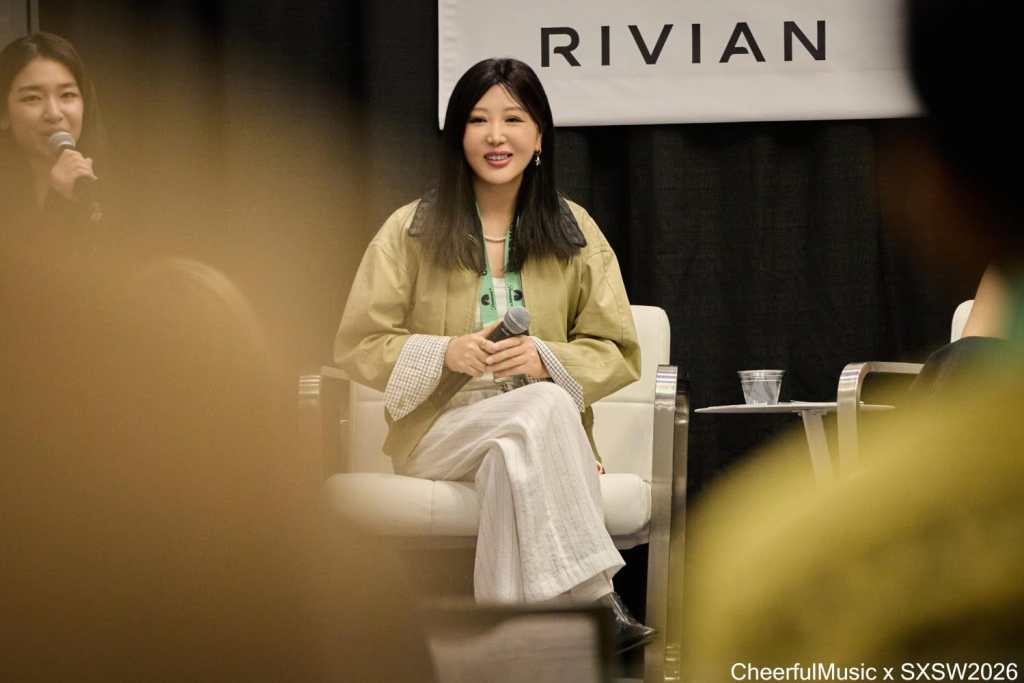
The intersection of technology and artistry took center stage at the 2026 edition of SXSW in Austin, Texas, where the acclaimed record label Cheerful Music spearheaded a critical conversation regarding the future of global music production. Founded by industry luminary and entrepreneur Snow. J, Cheerful Music has carved out a unique niche by acting as a bridge between the burgeoning Chinese music market and Western audiences. Their participation in the East x West: Cross Cultural AI Trends In Music Production panel, held on March 16, served as a lightning rod for discussions on the rapid integration of artificial intelligence into the creative process.
The event, which was also spotlighted by Rolling Stone UK, drew a diverse crowd of international music professionals eager to decipher the Chinese music landscape. As China continues to emerge as a powerhouse of digital innovation, the panel addressed the pressing question: how can human artistry survive—and thrive—in an era of unprecedented automation?

The New Frontier: AI in the Chinese Music Industry
The panel featured a powerhouse lineup of industry experts: Snow. J, Vivian Wei (Vice President of Copyrights at NetEase Music), and the trailblazing electronic artist MKJ. The discussion immediately turned to the current state of AI-driven music in China. Vivian Wei provided a sobering assessment, noting that while AI has dramatically lowered the barriers to entry, resulting in a deluge of content, true cultural resonance remains rare. Scaling production, she argued, is not a substitute for the emotional depth required to create a lasting hit.
Snow. J echoed this sentiment, emphasizing that Cheerful Music adopts a “human-first” philosophy. Rather than chasing the trend of fully automated tracks, the label utilizes AI as a sophisticated tool for creative augmentation. This is best exemplified by their work with the virtual artist 灵玥 Lynn, which integrates traditional Chinese musical roots with modern digital synthesis.
Bridging Cultures and Protecting Creativity
A recurring theme throughout the session was the necessity of protecting human creators. MKJ shared his firsthand experience in cross-genre experimentation, specifically citing a recent project that fused Afrobeats with traditional Chinese instrumentation. He warned that while AI can offer exciting new textures, the industry must remain vigilant regarding copyright and royalty structures. The panel reached a consensus: the goal should be to create regulatory frameworks that reward human innovation rather than devaluing it through mass-produced, derivative content.
Furthermore, the panelists explored whether AI has fundamentally shifted listener behavior. Wei noted that despite the rapid pace of technological change, audience preferences in China remain anchored in core genres like Mandopop and emotional R&B ballads. This serves as a vital reminder to international artists: technology changes the delivery, but the human desire for emotional connection remains constant.

The Future of Artistry
As the session drew to a close, the panelists offered a hopeful vision for the future. While AI is poised to play an increasingly significant role in production, it cannot replicate the power of a live performance or the nuance of an artist’s personal narrative. As Snow. J poignantly stated, “The faster AI develops, the more valuable human-created music becomes.”
Moving forward, Cheerful Music plans to continue its focus on traditional instrumentation and high-level international songwriting collaborations. By treating AI as a collaborator rather than a replacement, the label is setting a standard for how the global music industry can navigate the complexities of the digital age without losing its soul.