

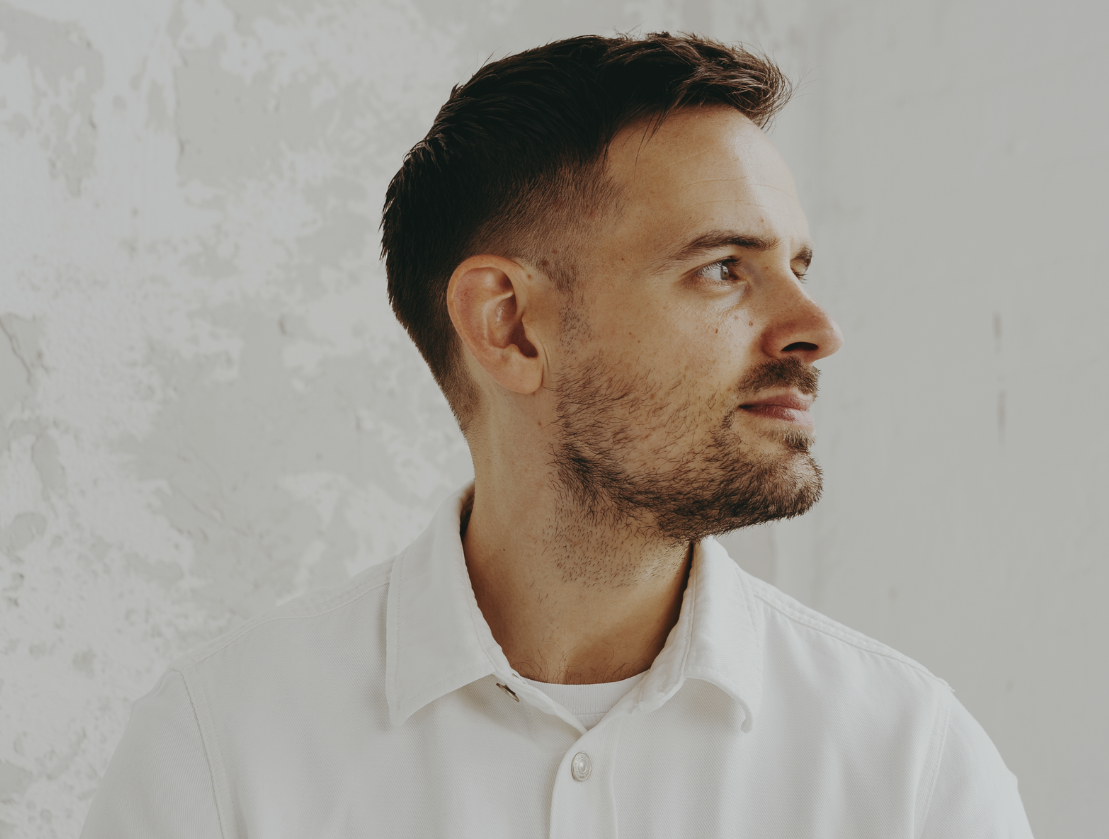
It is easy to talk about AI in music like it is only a software issue. Faster MIDI generation, smarter arrangement help, cleaner mixes, and instant ideas can sound harmless enough until the shortcut starts reaching into the part of the process where the artist’s taste is supposed to live. That is where Yeadon draws the line.
The Manchester-based producer has built his name in progressive and melodic house with releases across Stress Records, Global Underground, UV, and his own 10 Steps North. His latest single, “Don’t Forget,” brings that lane into Magnetic Magazine Recordings. The track sits in the part of house music where emotion, patience, groove, and detail have to work together, which makes this conversation feel especially pointed. If the record is supposed to carry a person’s point of view, how much of the work can be handed away before the person starts disappearing from it?
The Creative Risk of Outsourcing Taste
For Yeadon, the issue is not about being anti-technology. He acknowledges that new instruments, synths, and production systems can open creative doors. However, he remains clear that there is a fundamental difference between using technology to realize an idea and letting it decide what the idea should be. “From my point of view, no significant parts of an artist’s work should be outsourced to a generative plugin or AI,” he explains. “I don’t really understand why we would want to outsource something so personal, rewarding, and enjoyable as writing music.”
He argues that when a producer is in the flow, they are putting a piece of themselves into the work. Handing that process over to an algorithm often results in music that feels generic. The struggle, the happy accidents, and the unexpected twists are what make the creative process rewarding. When AI is used as a shortcut, artists risk bypassing the very reason they started making music: the need to express something personal.
Defining the Artist’s Point of View
As production tools become faster and more sophisticated, the distinction between a technically polished record and one that carries an artist’s unique perspective becomes increasingly blurred. Yeadon believes that the records that truly resonate are less about technical perfection and more about the emotion and energy captured within the track.
“A track can be super polished, perfectly balanced, mixed in the best studio, and still not say anything,” he notes. “When I hear AI-generated music, this is often the feeling I get from it. The tracks sound too perfectly made, and very often don’t have the emotion or energy to make me feel something.” For Yeadon, an artist’s point of view is defined by the specific choices and imperfections that signal a human presence behind the music.
Maintaining Artistic Integrity
Convenience, while helpful for administrative tasks, becomes a trap when it begins to influence creative decision-making. Yeadon emphasizes that he never uses templates and prefers to manipulate samples until they are unrecognizable, ensuring the final output remains his own. He warns that relying too heavily on tools that make creative decisions for you will inevitably lead to a final product that contains less of the artist.
Ultimately, Yeadon believes that the most important parts of music production—those that build ear, judgment, and instinct—must remain hands-on. “If you shortcut too many parts of the creative process, you miss out on developing the skills and instincts that only really come from practicing something for enough time, and making enough mistakes to learn what you need to learn,” he says. Technology is most exciting when it expands what an artist can reach, rather than quietly training their taste for them.