

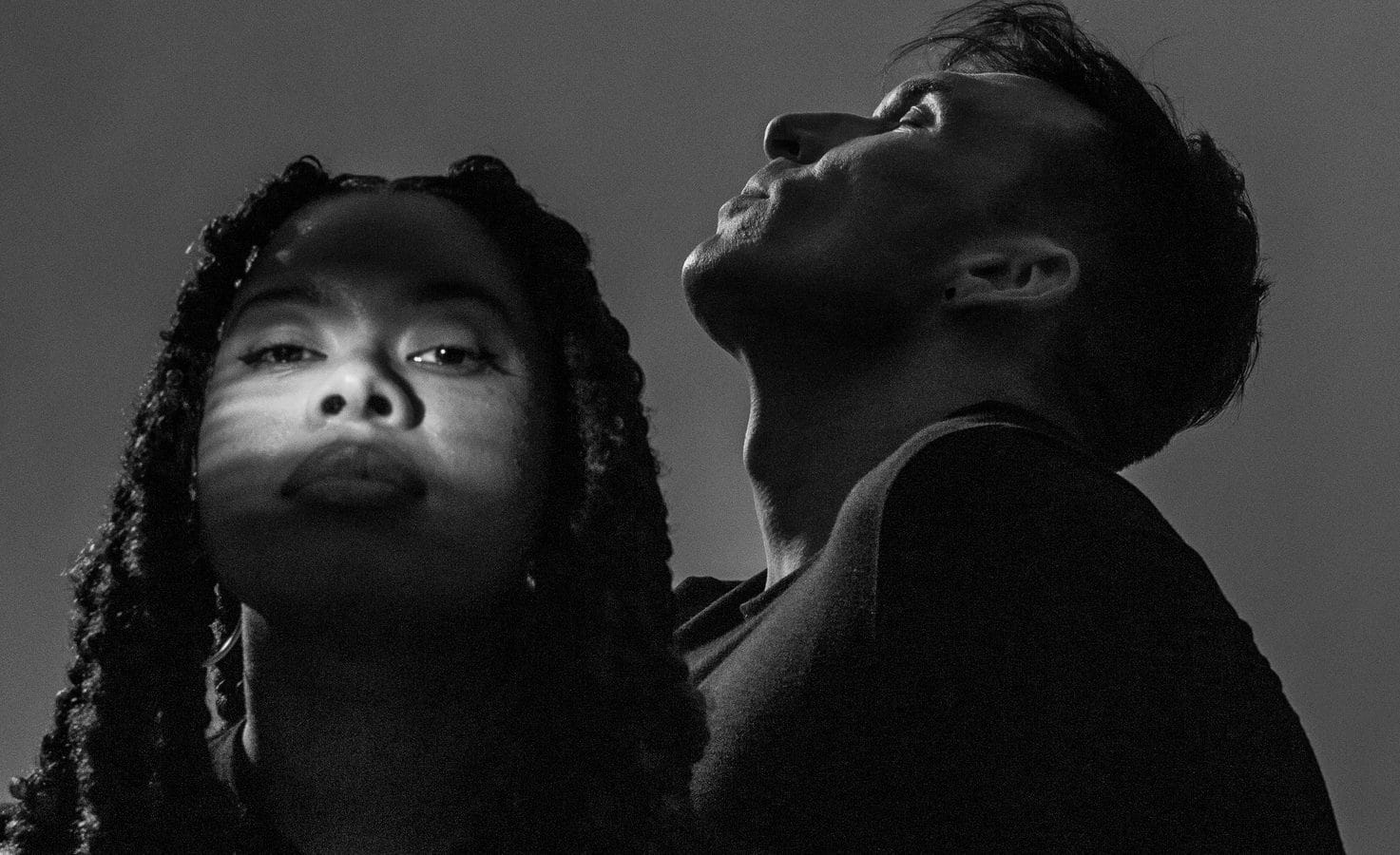
TUSH has returned with Heavy Weather Remixes, a fresh revision of their 2025 EP that invites a diverse array of collaborators—including Ian Pooley, Afrique Like Me, Pursuit Grooves, and Olive T—to reinterpret their original work. The project successfully expands the scope of the material, placing it within a broader club context. Pooley infuses “Push” with his signature deep, dubby house aesthetic, while Afrique Like Me reimagines “The Fit” through the lens of Afro-tech rhythms. Meanwhile, Olive T and Pursuit Grooves offer distinct, innovative perspectives on “Like a Rock.”
This collaborative spirit mirrors the philosophy of TUSH members Jamie Kidd and Kamilah Apong. Their approach to music is rooted in curiosity, live performance, and a commitment to active listening. Rather than viewing music as a rigid career path, they treat it as an evolving practice shaped by limitations, hardware experimentation, and the value of allowing songs to reveal their own identity.
The Intersection of Art and Industry
Reflecting on the current musical landscape, Kidd notes a shift toward hardware and recording experimentation. “Artists are embracing limitations, similar to electronic music’s formative years,” he explains. “I’ve come to realize that when creating, you should let the song reveal what it wants to become, letting what serves the song guide decisions instead of ego or habit.”
Apong observes a rising tide of individuality and counter-culture in response to mainstream trends. “The wealthy and the ruling class are loud right now, and I feel a counter-culture rising in opposition to that,” she says. For Apong, maintaining curiosity involves releasing the pressure to conform to traditional definitions of a “music career.”
Connection and the Dancefloor
The duo emphasizes the importance of remaining connected to the dancefloor as listeners. Kidd highlights the influence of artists like Theo Parrish and Cinthie, noting that memorable sets are defined by their unpredictability. Apong shares a contrasting experience between a large-scale corporate venue and an intimate speakeasy, emphasizing that the latter fostered a genuine synergy between the DJ and the crowd.
Ultimately, both artists advocate for intentionality. Whether it is through community-based arts spaces or the simple act of listening to a full album without distraction, Kidd and Apong remain dedicated to the magic of the craft. As they continue to navigate the space between art and profession, their focus remains on connection—both to the music itself and to the humans who experience it.