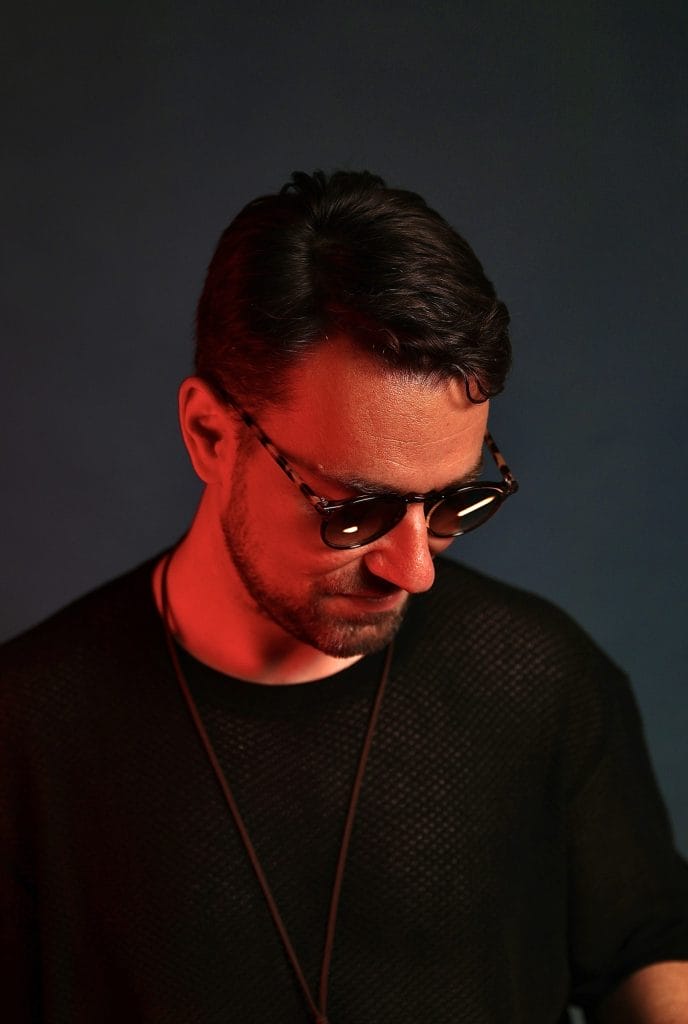

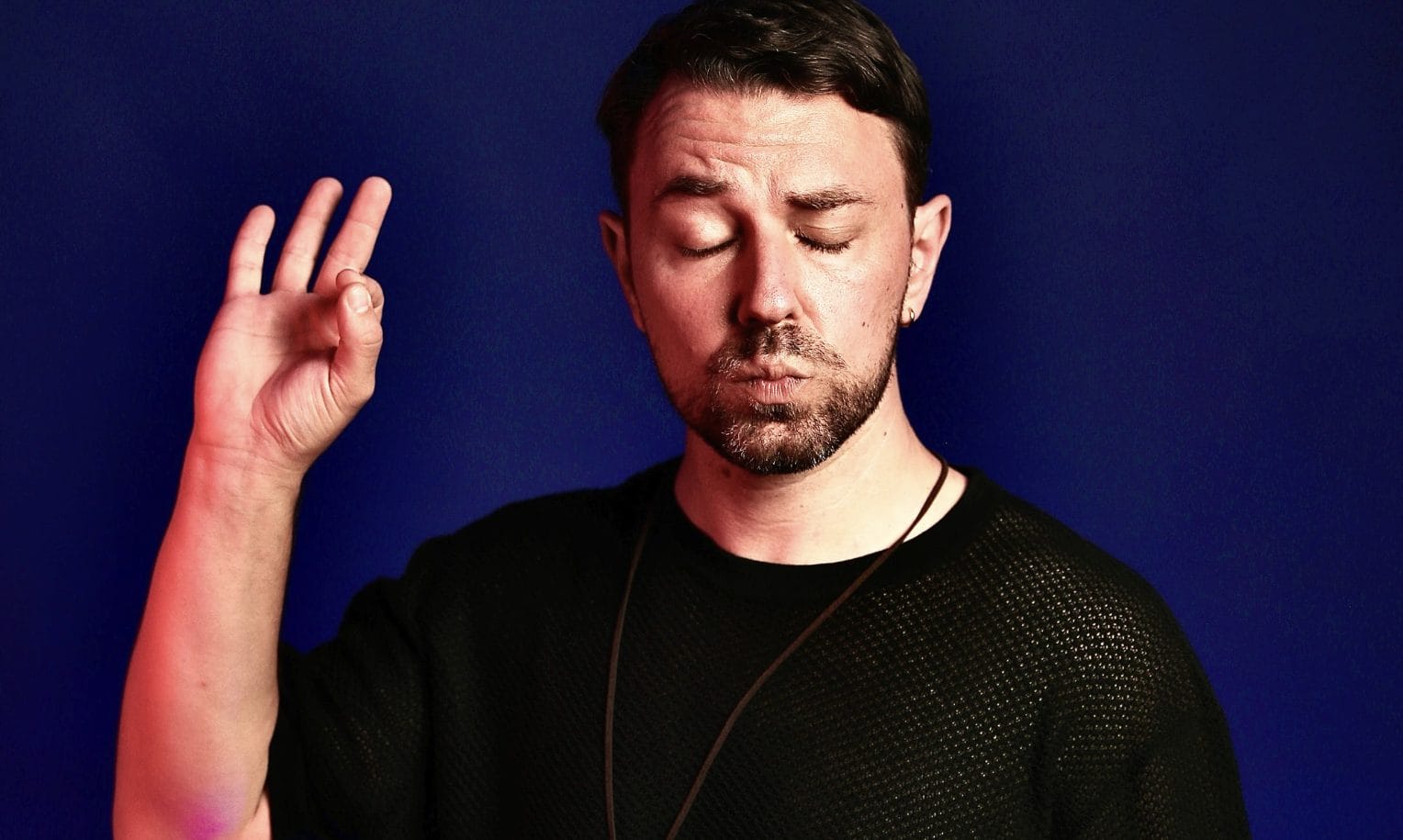
French producer Raw Main has returned to the All Day I Dream imprint with his latest four-track EP, Theory Of Love. Marking his first full-length release on the label, the project follows his previous contributions to the label’s seasonal samplers and reinforces his position within the melodic house landscape. With a catalog that spans respected labels like Lost Miracle, Abracadabra, and Bar 25, Raw Main continues to refine a sound that is as much about atmosphere as it is about dancefloor precision.
The EP features tracks including the title cut, “Kashmir,” “Right Side” (featuring Anvia), and “Acrobat Dreamer.” Each composition is crafted with a focus on long-form progression, utilizing intricate percussion and emotive melodies designed to anchor extended DJ sets. This structural approach mirrors the artist’s own philosophy on the craft of DJing, which he views as a continuous, high-stakes feedback loop between the performer and the audience.
For Raw Main, the DJ booth is a space for constant critical analysis. He describes his internal dialogue as a “rollercoaster,” where he is perpetually balancing the need to think ahead while remaining fully present to the crowd’s immediate energy. “Being grounded for me is about listening carefully to the energy in the room and enjoying the moment,” he explains. “It is also experience.”

Managing the flow of a set requires more than just technical skill; it demands a deep understanding of narrative pacing. When a set feels like it is losing momentum, Raw Main advocates for a pragmatic approach. Rather than forcing a specific sound, he suggests using familiar tracks to rebuild trust with the audience. “I am not the kind of DJ who only plays tracks that I want to hear,” he notes. “To tell a good story, we need to go up and down.”

This self-awareness is a cornerstone of his performance style. By varying the energy and switching registers throughout a set, he avoids the trap of monotony. He finds that longer sets—often three to four hours—provide the necessary space to experiment and evolve the musical journey without the pressure of rushing. Ultimately, he views the inevitable mistakes of live performance as essential learning opportunities, encouraging fellow DJs to embrace the process of growth.
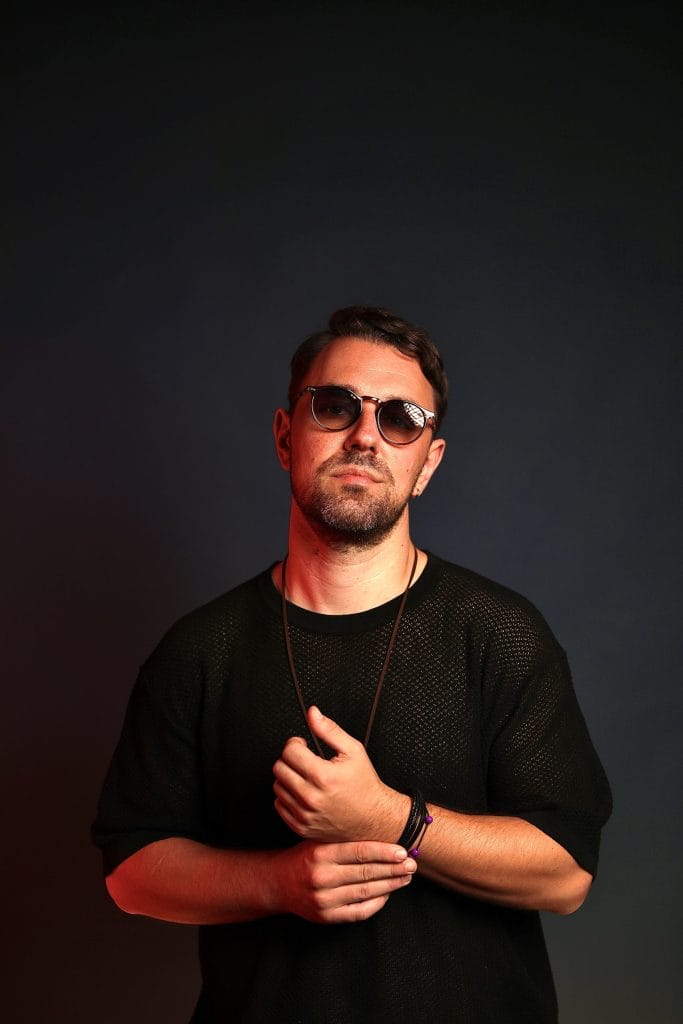
As Raw Main prepares for upcoming dates in Mexico City and New York alongside Lee Burridge, his focus remains on the delicate balance of emotion and pacing. His perspective offers a valuable look at how seasoned artists maintain their connection to the room, proving that the most effective tool in a DJ’s arsenal is often their own presence of mind.