

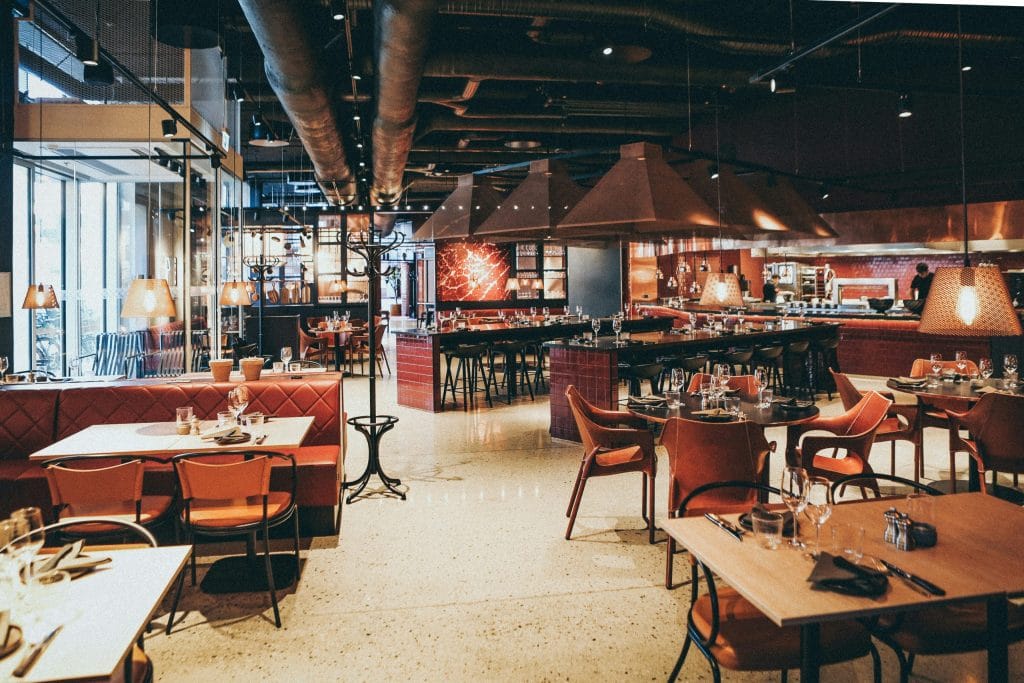
Restaurant background music can change how a space feels before a guest has even read the menu or taken their first sip of a drink. While it may seem like a minor operational detail, many establishments treat music as an afterthought, often leading to a sonic environment that feels misaligned with the brand. In reality, sound affects everything from pace and mood to perceived service quality, table turnover, and even the specific items a guest chooses to order.
Setting the First Expectation
The first few seconds inside a restaurant provide a wealth of information. Guests subconsciously process lighting, temperature, staff energy, and sound. Music acts as a primary indicator of how a guest should behave in the space. A café playing calm, low-volume acoustic music invites quiet conversation or focused work, while a fast-casual spot with higher-tempo tracks signals movement and efficiency. When the music clashes with the décor or price point, it creates friction that can undermine the entire dining experience.
The Strategic Use of Tempo
Tempo is one of the most effective tools for managing the rhythm of a service period. Faster music often facilitates quicker movement, whereas slower music encourages guests to linger. Successful operators view tempo as a component of service design, adjusting the soundscape to match the business goals of the day. For instance, a wine bar may utilize slower, more relaxed tempos to encourage guests to order an additional glass, while a busy lunch spot might opt for a slightly quicker pace to support efficient table turnover.
Volume and Decision-Making
Volume is perhaps the easiest element to get wrong. Because ambient noise—including glassware, kitchen equipment, and conversation—builds as a room fills, music that sounds perfect before service can quickly become overwhelming. Beyond comfort, volume also influences behavior. Research suggests that lower-volume ambient sound is often associated with healthier food choices, while higher-volume environments can increase excitement and lead to less health-conscious decisions.
Genre as a Branding Tool
Genre consistency is essential for maintaining a cohesive brand identity. When playlists are left to the personal preferences of individual staff members, the customer experience becomes fragmented. The music should support the culinary concept; a modern Japanese restaurant might lean toward minimal electronic or ambient soundscapes, while a casual taco spot might benefit from high-energy, Latin-influenced programming. By aligning the sound with the venue’s core identity, operators can reinforce the authenticity of the experience.
Managing the Wait
Waiting is an inevitable part of hospitality, but the right audio environment can significantly alter how that time is perceived. Silence can make small delays feel exposed, while harsh or poorly chosen music can exacerbate frustration. Thoughtfully curated background music provides continuity, helping guests feel that the environment is managed and considered, which in turn fosters greater patience.
Building a Sustainable Music Plan
A professional music strategy involves more than just a playlist. It requires a structured approach to service periods, zoning, and legal compliance. Operators should consider the following steps:
- Service Periods: Tailor the soundscape to the specific needs of breakfast, lunch, dinner, and late-night service.
- Zoning: Recognize that different areas of a restaurant—such as a patio, bar, or dining room—may require distinct volume levels or musical styles.
- Regular Review: Listen to the room during actual service hours, not just before opening. Adjust volume levels based on the acoustic reality of a full house rather than from a mobile device.
Ultimately, background music is a powerful, flexible tool that can be adjusted without the need for costly renovations. When handled with intention, it becomes an integral part of the hospitality experience, allowing guests to feel the quality of the brand before they can even articulate why.