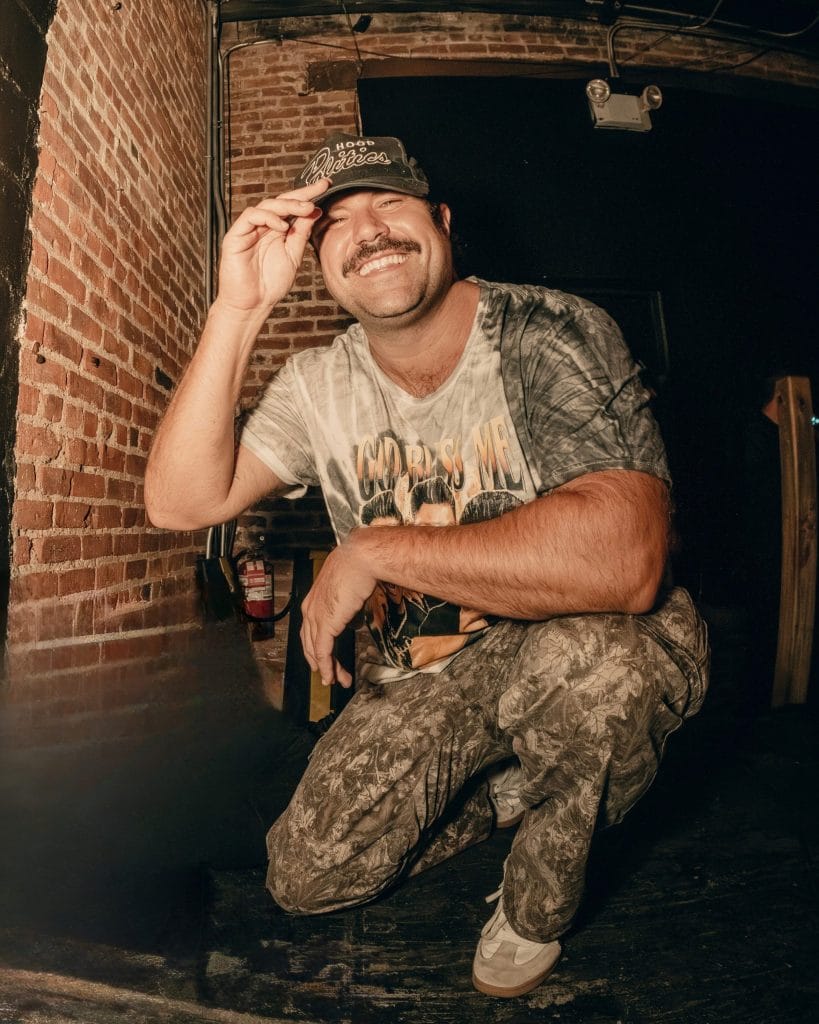

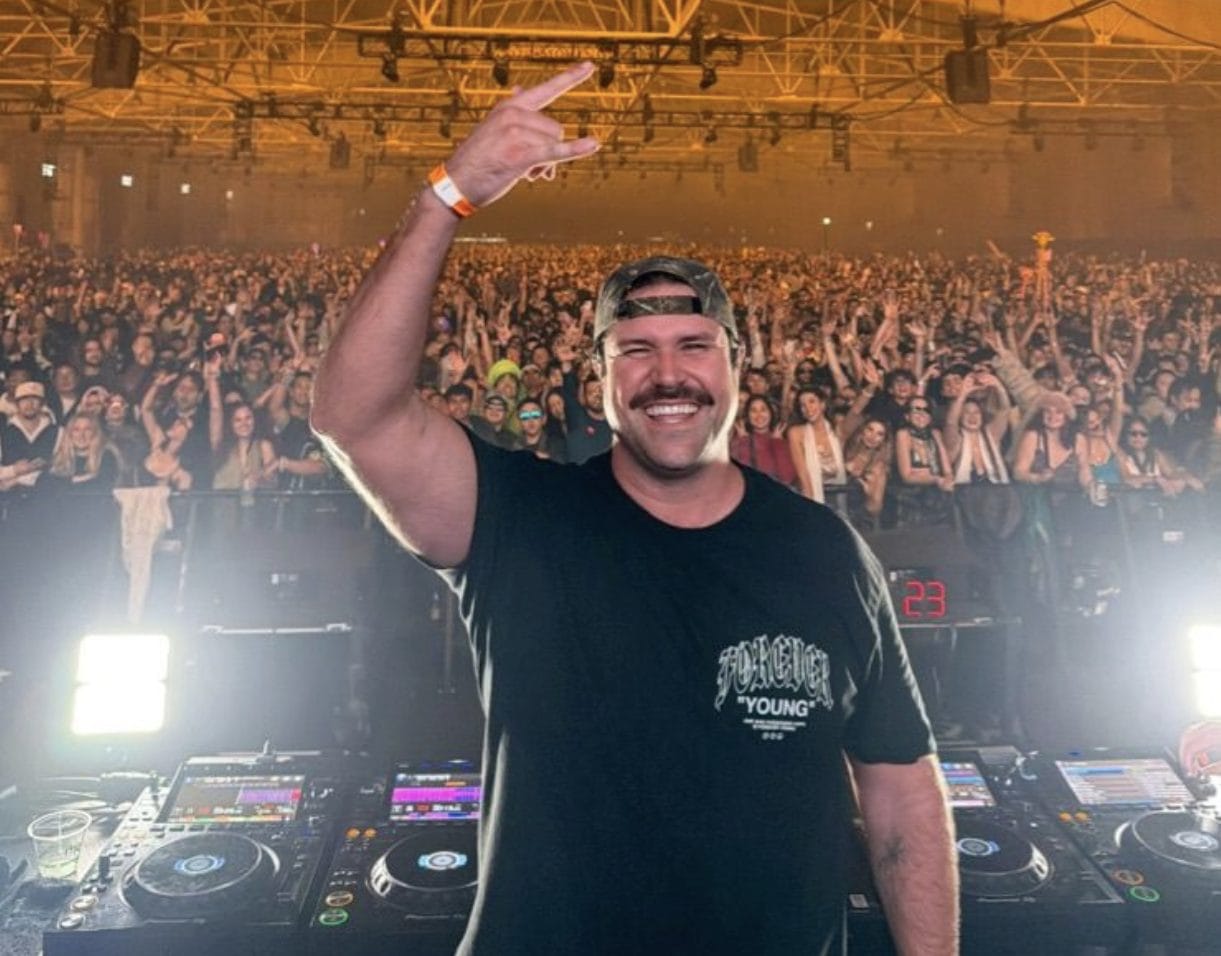
DJ Susan’s new single, “Transformation,” arrives via Dirtybird with the kind of direct club functionality that fits naturally within the label’s long-running house and tech house identity. The track is built around rolling low-end movement, crisp percussion, and warped textures, giving it a late-night feel that aligns with the label’s off-center personality without sacrificing its utility for working DJs.
The release lands at a pivotal moment in DJ Susan’s calendar. Following his appearance at Northern Nights in 2024, he returns for Dirtybird Campout x Northern Nights this July. This context places “Transformation” within a broader conversation about labels, festivals, and the networks that propel artists through the scene. His own imprint, Hood Politics Records, is built upon this same community-first philosophy, making his perspective on the industry less about theory and more about lived experience.
The Reality of Bookings and Community
When asked about the realities of how bookings occur, DJ Susan is refreshingly candid. He notes that, plain and simple, promoters book people they know and like. For artists striving to play specific venues or events, he suggests that showing up, supporting the scene, and making oneself known is often more effective than any formal pitch. “Being a supporter will open more doors for you than you can imagine,” he explains. “Trust your energy and make cool things happen.”
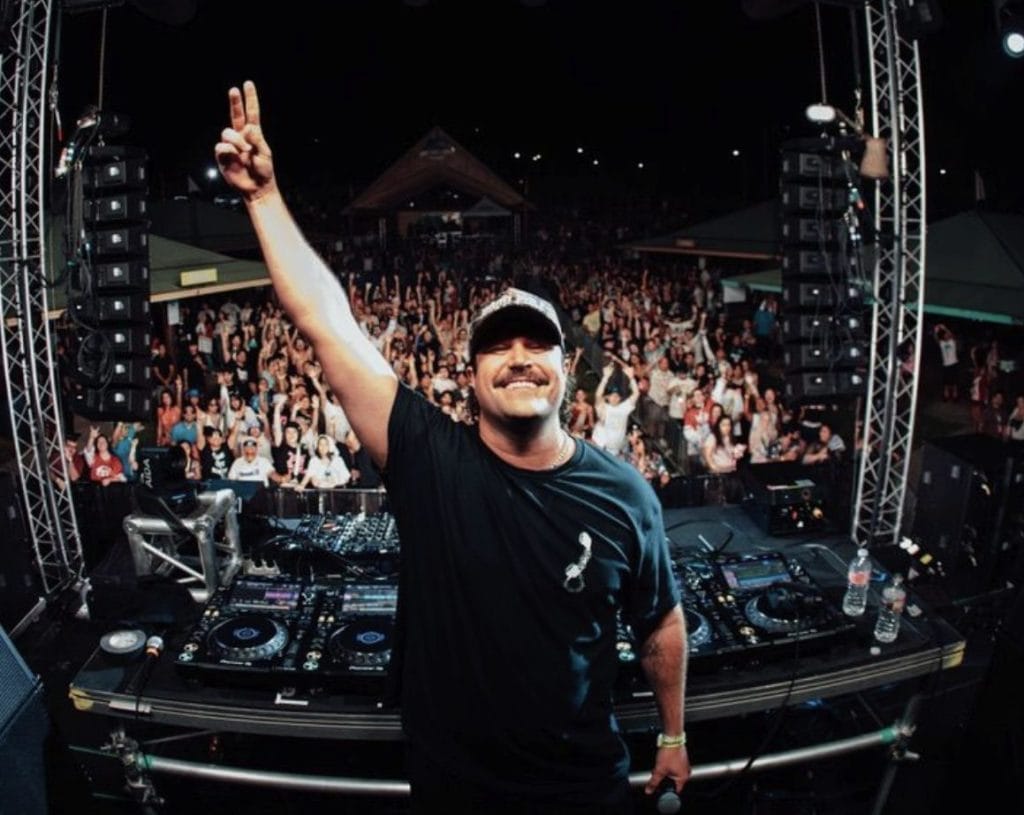
This philosophy extends to his own career. He emphasizes that being a good person and spreading positivity attracts genuine opportunities. While he acknowledges that the industry can be transactional, he finds that like-minded people naturally gravitate toward one another, and doors often open simply by being easy to work with.
Navigating Social Capital in DJ Culture
The conversation inevitably turns to the role of social capital. DJ Susan admits that the industry has shifted toward a model where attention is the primary product. “It’s a whole new scene out here where attention is the product now,” he says. “Unfortunately for a lot of artists, the music comes third, but they get that bag by any means necessary.”
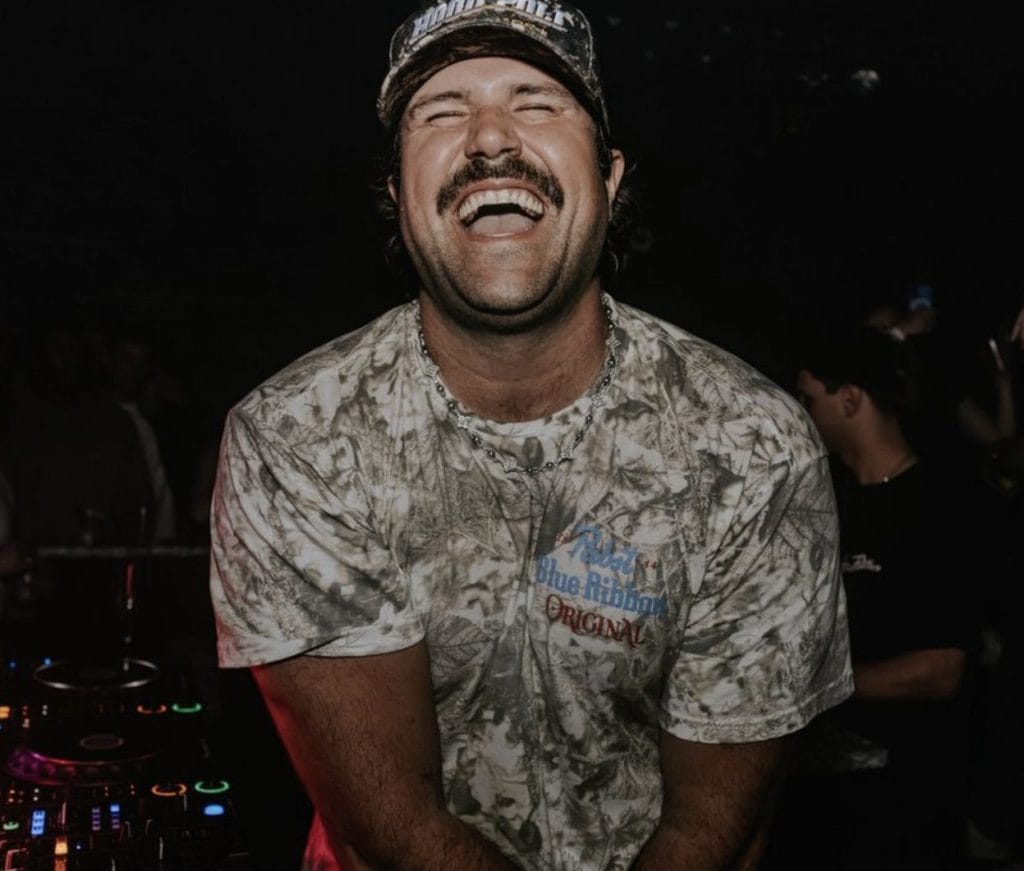
Despite these pressures, he remains committed to authenticity. When deciding whether to accept a booking, he prioritizes his own creative standards and the quality of his relationships with promoters. He notes that while having a professional team—managers or agents—can be a significant advantage, it is not the only path to success. “I think the most important team member you can have as an artist is your community,” he asserts. “If you spend time building a foundation, especially one that people want to be a part of, nothing else matters.”
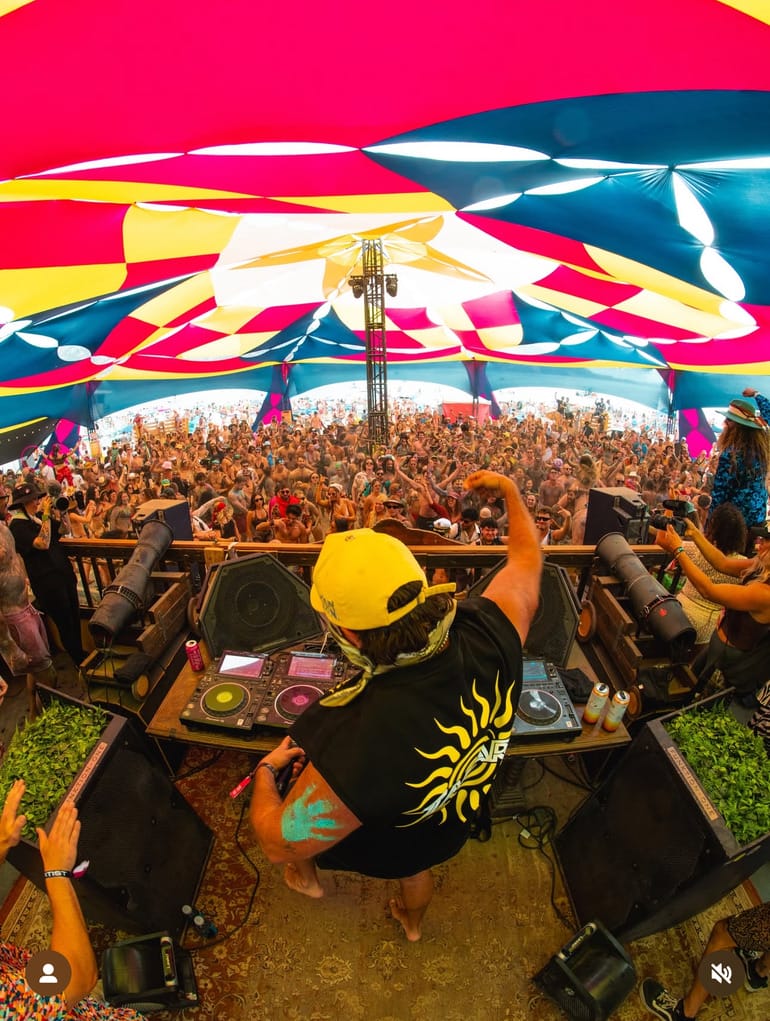
Ultimately, DJ Susan views the current landscape as a reflection of networking and persistence. While he jokes that lineups are often just a reflection of who is the best at sending emails, his own trajectory proves that a focus on community and genuine connection remains a powerful, sustainable way to build a career in dj culture.